Eviction Process in Alabama
📅 2026 Update: Changes in Alabama’s Eviction Process
Since the original article was published, there have been no new specific updates on the eviction process in Alabama from official sources. The information remains largely unchanged, but readers should be aware that local practices and court procedures might evolve over time. The earlier article continues further down the page and provides foundational knowledge on eviction laws.
🏠 Recent Trends in Eviction Cases
Eviction cases can vary by location and circumstance. While specific statistics were not available, it is important to understand that the number of eviction filings may fluctuate due to economic conditions. Keeping track of these trends can help renters know what to expect.
- 📈 Increased Awareness: More people now understand their rights regarding eviction, leading to increased engagement with legal resources.
- 🛑 Preventive Measures: Many tenants are seeking help before facing eviction, which may reduce the number of cases going to court.
📜 Importance of Legal Resources
Having access to legal resources is essential for anyone facing eviction. As laws continue to change, staying updated is key.
- 📅 Consult HUD: The U.S. Department of Housing and Urban Development (HUD) provides up-to-date information on eviction laws.
- 🏢 State Housing Authorities: Local housing authorities can offer specific guidance tailored to Alabama residents.
📊 Future of Eviction Laws
While there are no new laws to report, it’s important to keep an eye on potential changes. Advocates for tenants’ rights continue to push for more protections.
- 🔍 Monitoring Changes: Keeping track of proposed legislation can provide insight into future developments in eviction laws.
📌 Key Points to Remember
- 📅 No major updates to Alabama's eviction process since the original article.
- 🏠 Awareness of tenant rights is growing.
- 📜 Legal resources like HUD and state housing authorities are vital.
- 📊 Future changes in eviction laws may impact tenants.
💡 Tips for Navigating the Eviction Process
It is important to go over the details of your own situation with your attorney. Understanding your rights and responsibilities can help you navigate the eviction process more effectively.
🏠 Know Your Rights
Tenants have specific rights under Alabama law. Familiarize yourself with these rights to better understand your situation.
📞 Contact Local Housing Authorities
Reach out to your local housing authority for guidance. They can provide information about available resources and support services.
📑 Keep Records
Maintain detailed records of all communications with your landlord. This documentation can be useful if disputes arise.
🏛️ Seek Legal Assistance
If facing an eviction, consider seeking help from legal aid organizations. They can provide resources and support tailored to your needs.
💬 Communicate with Your Landlord
Open communication with your landlord can sometimes prevent eviction. Discussing issues and potential solutions may lead to a better outcome.
📅 Explore Payment Plans
If behind on rent, see if you can negotiate a payment plan. This may help you catch up on payments and avoid eviction.
🏆 Free Options Ranked by User Reviews (2026)
Currently, no national paid services in eviction assistance met the review threshold. Instead, this section highlights free government and nonprofit resources available to assist Alabama residents facing eviction.
🥇 1. U.S. Department of Housing and Urban Development (HUD)
HUD provides vital information on housing laws and tenant rights. They help individuals understand their options when facing eviction and offer resources for financial assistance.
🥈 2. Alabama Legal Services
Alabama Legal Services offers free legal advice for low-income residents. They assist with issues related to eviction and provide guidance on navigating the court system.
🥉 3. Legal Aid of Alabama
Legal Aid of Alabama provides legal representation and assistance to those facing eviction. Their services are aimed at ensuring that low-income individuals have access to justice.
4️⃣ Alabama Housing Finance Authority
The Alabama Housing Finance Authority offers resources for renters, including information on rental assistance programs. They help residents find financial aid to avoid eviction.
5️⃣ Local Community Organizations
Many local nonprofits provide eviction prevention services. These organizations can assist with rent payments and connect individuals to resources for housing stability.
🔎 Things to Check Before Paying for Help
- 💰 Verify the legitimacy of any service.
- 🏢 Research local nonprofits that may offer free assistance.
- 📜 Ensure the organization has a track record of helping others.
- 🔍 Read reviews from other users for insights.
❓ Frequently Asked Questions
❓ What should I do if I receive an eviction notice?
An eviction notice typically requires a response within a specific time frame. It is crucial to understand the details of the notice and seek assistance if necessary.
🏛️ Can I contest an eviction in court?
Yes, tenants can contest an eviction in court if they believe it is unjust. Gather evidence and documentation to support your case.
📅 How long does the eviction process take?
The eviction process timeline can vary based on several factors, including court schedules and the reason for eviction. Generally, it can take a few weeks to several months.
📝 What are the grounds for eviction in Alabama?
Landlords can evict tenants for various reasons, including non-payment of rent, lease violations, or property damage. Understanding these grounds is essential for tenants.
💼 What assistance is available for those facing eviction?
There are various resources, including legal aid organizations and housing authorities, that offer assistance to individuals facing eviction.
📊 Are there any recent changes to Alabama's eviction laws?
As of now, there are no significant changes reported regarding Alabama's eviction laws. It is important to stay informed about any potential updates.
⚖️ Recent Cases Related to Eviction in Alabama
Recent court rulings can impact the eviction process and tenant rights in Alabama. Understanding these rulings can help tenants know their rights and options.
- Court upholds dismissal in homeowners association disputeCommonwealth Court of Pennsylvania · August 28, 2026
- Court upholds US Bank's foreclosure against Von Nieda-LagrassaSuperior Court of Pennsylvania · September 2, 2026
- Hawaii Supreme Court rejects appeal in mortgage caseHawaii Supreme Court · September 15, 2026
- Court rules on eviction case involving Westchester landlordNew York Justice Court · August 24, 2026
For more information on recent rulings, feel free to browse more rulings on the news page.
End of October 2026 Update
Guide to the Eviction Process in Alabama
If you are being evicted in the state of Alabama, you may not know how to proceed. Learning about the eviction process in Alabama can help you understand your rights and options under the law. After reading this guide, you will understand the steps involved in the eviction process in Alabama and how long each step will take.
Receiving Notice
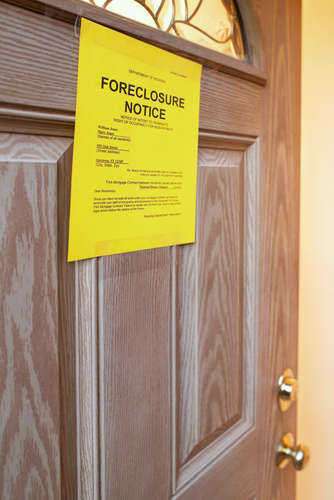
In Alabama, your landlord will first notify you in writing about your failure to pay rent or about violations of your lease before filing for eviction. A “notice to pay rent” gives you seven days to pay your rent before the eviction process in Alabama can continue.
If you receive a “notice to remedy or quit,” your landlord is asking you to remedy a breach of your lease. You will have fourteen days to fix the problem or your landlord can begin the eviction process in Alabama courts.
Whichever notice you receive, if the time passes and you have not resolved the issue, your landlord will issue an “unlawful detainer” notice that gives you three days to vacate your home or face court proceedings.
Court Filings and Hearings
If you fail to respond to the notice to pay rent or notice to remedy or quit, your landlord will continue the eviction process in Alabama courts by filing a complaint. The complaint will be served to you officially, which means that you will be assured of seeing the complaint before you are expected in court. You have five days to object in writing to the eviction. If you file no objection, the removal process can begin.
The amount of time between the court filings being made and the hearing being held may vary. If you wish to fight the eviction, you have a right to appear in court and state your side of the case. For instance, if you were withholding rent because your landlord had breached some part of your lease, you may be able to argue for your landlord to fix the problem instead of facing eviction.
You are not required to appear in court at the eviction hearing, but if you fail to appear, your landlord will request a default judgment and the eviction process in Alabama will continue moving forward. You will be notified as soon as possible of your right to file an appeal within seven days of the hearing.
Writs of Restitution and Removal
If you plan to appeal the eviction process in Alabama, you will need to post an appeals bond set by the judge in your case. If you cannot pay this bond, you will be served with a writ of restitution. Writs of restitution will include the date you must vacate by.
If you do not vacate by the date indicated on the writ of restitution, the eviction process in Alabama allows for you to be removed forcibly from your property. If you leave your belongings behind, Alabama law considers them abandoned and will allow your landlord to dispose of them.