What Should You Do Pre Foreclosure
📅 2026 Update: Recent Changes in Foreclosure Laws and Protections
Since the original article was written, there have been several important changes in foreclosure laws and protections across the United States. These updates aim to provide homeowners with more time and options to avoid foreclosure. The details from the earlier article continue further down the page.
🏠 Federal Foreclosure Protections
As of April 3, 2024, new federal regulations require mortgage servicers to wait until a borrower is more than 120 days late on payments before starting foreclosure proceedings. This gives homeowners at least four months to explore alternatives without the immediate threat of losing their home.
🏛️ Massachusetts Foreclosure Protections
On November 25, 2025, Massachusetts passed a new law that protects certain homeowners during federal government shutdowns. If a homeowner or tenant is an affected federal worker, foreclosure actions are prohibited during the shutdown and for 30 days after.
💼 North Carolina Tax Foreclosure Clarification
Starting July 2, 2026, North Carolina clarified that tax foreclosure sales are judicial sales under federal law. This affects how local governments must notify federal agencies about pending foreclosure actions related to tax issues.
🌇 California Foreclosure Protections
California introduced new laws as of May 26, 2026. These laws allow owner-occupants and tenants to bid on their homes post-auction. They also ban bundling homes at trustee sales and impose fines on buyers who let properties fall into disrepair.
These measures are valid until January 1, 2031.
📌 Key Points Summary
- 🏠 New federal rules give homeowners at least 120 days before foreclosure starts.
- 🏛️ Massachusetts protects federal workers from foreclosure during shutdowns.
- 💼 North Carolina clarified tax foreclosure notifications.
- 🌇 California allows post-auction bidding and protects property conditions.
💡 Tips for Homeowners Facing Foreclosure
Reviewing your situation with an attorney can help clarify your options and protect your rights during this challenging time.
📞 Communicate with Your Lender
Contact your lender as soon as you suspect a problem with your mortgage payments. Open communication can lead to options like repayment plans or loan modifications, which might prevent foreclosure.
🏡 Explore Loan Modifications
Investigate loan modification programs available through government agencies or your lender. These modifications can lower monthly payments or change the terms of your loan to make it more manageable.
🌐 Seek HUD-Approved Counseling
HUD-approved housing counselors can provide free advice on foreclosure prevention. They can help you understand your options and guide you through the process of applying for assistance programs.
⚖️ Consider Mediation Programs
If you are in Maryland, look into pre-file and post-file mediation programs. These programs allow homeowners to negotiate with lenders in a structured environment, potentially leading to a resolution that avoids foreclosure.
📅 Know Your Deadlines
In states like Ohio, be aware that homeowners must respond to foreclosure complaints within 28 days. Missing deadlines can lead to default judgments, making it crucial to act quickly.
📊 Monitor Foreclosure Trends
Stay informed about foreclosure trends in your area. Understanding the current market can help you make better decisions about selling your home or negotiating with your lender.
🏆 Free Options Ranked by User Reviews (2026)
No national paid services met the review threshold for this topic, so this section focuses on free government and nonprofit resources available to homeowners facing foreclosure.
🥇 1. HUD-Approved Housing Counseling
HUD-approved housing counseling agencies offer free services to help homeowners understand foreclosure processes and options. They can assist with budgeting, mortgage payment problems, and understanding loan modifications.
🥈 2. Maryland Foreclosure Assistance
The Maryland Office of Financial Regulation provides resources for homeowners facing foreclosure. They offer templates for necessary documents and information on mediation programs that help negotiate with lenders.
🥉 3. Maine Foreclosure Resources
The Bureau of Consumer Credit Protection in Maine provides essential information on homeowner rights and the foreclosure process. They also offer free mediation services to help homeowners negotiate with lenders effectively.
4️⃣ Ohio Foreclosure Response Resources
Various state resources in Ohio offer guidance on how to respond to foreclosure complaints. These resources help homeowners understand their rights and the necessary steps to contest a foreclosure.
5️⃣ North Carolina Tax Foreclosure Information
In North Carolina, homeowners can access information about tax foreclosure sales and their rights. This state resource clarifies the legal processes involved and helps homeowners prepare for potential tax-related foreclosures.
🔎 Checking Before Paying for Help
- ⚠️ Watch for upfront fees for assistance.
- 🔍 Verify the legitimacy of the service.
- 📜 Seek resources through government agencies.
- 🗂️ Check for reviews or ratings of the service.
- 📞 Contact local housing authorities for guidance.
❓ Frequently Asked Questions
❓ What should I do first if I can't make my mortgage payments?
Contact your lender immediately to discuss your situation. They may offer options like forbearance, which allows you to pause or reduce payments temporarily.
🏠 How long does the foreclosure process take?
The foreclosure process duration varies by state. In Ohio, it can take between six months and two years, while in Maine, it generally lasts 10 to 16 months from filing to auction.
💼 What protections are available for federal workers during a shutdown?
In Massachusetts, recent laws protect federal workers from foreclosure actions during government shutdowns and for 30 days after the shutdown ends.
📅 Are there deadlines I need to worry about?
Yes, in states like Ohio, homeowners must file an answer to a foreclosure complaint within 28 days of receiving it. Missing this deadline could result in a default judgment.
🌐 Where can I find help with foreclosure prevention?
Homeowners can find help through HUD-approved housing counseling agencies and state resources. These organizations provide information and support for those facing foreclosure.
⚖️ Can I contest a foreclosure?
Yes, homeowners have the right to contest a foreclosure. It's important to respond quickly to any legal notices and seek assistance to understand your options.
⚖️ Recent Court Cases Impacting Foreclosure
Recent court rulings have clarified several aspects of foreclosure law, impacting how homeowners can navigate the process. These cases highlight the importance of understanding homeowner rights during foreclosure proceedings.
- Court reverses mortgage attorney fees in Apex Bank caseAppellate Division of the Supreme Court of the State of New York · July 1, 2026
- Texas Court dismisses eviction appeal due to inactionTexas Court of Appeals, 9th District (Beaumont) · July 2, 2026
- Utah Court Reverses Divorce Ruling on Mortgage PaymentsCourt of Appeals of Utah · July 2, 2026
- Texas Court dismisses appeal in homeowners association caseTexas Court of Appeals, 2nd District (Fort Worth) · July 2, 2026
You can check for more rulings on the news page.
End of October 2026 Update
In the event that an individual encounters the prospect of a potential foreclosure, there exist a number of options and decisions which must be carefully weighed; it is at this juncture which is classified as the period of pre-foreclosure. Pre-foreclosure brings with it the very real possibility that an individual will be forced to undergo property foreclosure, and as a result, will also be susceptible to a host of prospective ramifications ranging from personal to financial in nature.
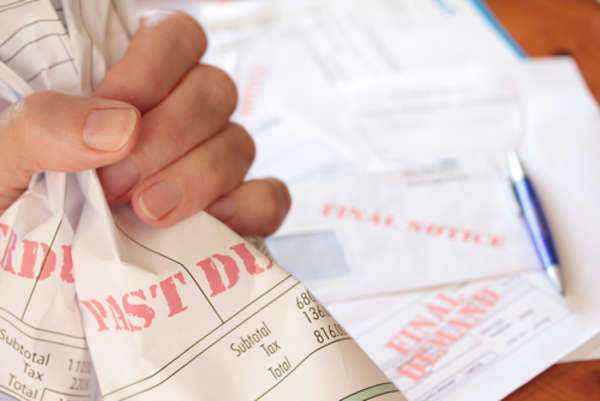
Ramifications to be weighed during the Period of Pre-foreclosure
As a result of foreclosure, individuals have undergone many of the following ramifications:
• The placement of the foreclosure on an individual’s permanent financial record(s)
• The degradation of credit score and/or line of credit
• A requirement to file bankruptcy
• An inability to receive future loans and/or mortgages
• The inability to own, buy, or sell property
• Repossession of property, assets, monies, and possessions
Pre-foreclosure and Credit
Upon a short sale during pre-foreclosure, a lender can determine the nature in which they will report the debt to the companies that regulate credit; there exist two options:
1. A lender will report the debt as being satisfied, in order to spare the individual borrower the reduction of both credit score and/or individual line of credit.
2. A lender will report the debt as being unpaid, resulting in the damaging of an individual’s credit score and/or line of credit; the inability for the individual borrower to receive future loans can result from foreclosure
Foreclosure vs. Short Sale during the Pre-foreclosure Period
In the pre-foreclosure period, the lender – or financial institution will have the opportunity to decide whether or not to proceed with the foreclosing of the property in question. While the opportunity to avoid foreclosure is almost always the most ideal circumstance, many factors exist in this decision:
Short Sale during the Period of Pre-foreclosure
In this instance, the lender will agree to sell the property on whose payments the borrower has defaulted; as a result of doing so, the income earned from the sale will be put towards the satisfaction of any outstanding debt with regard to property and/or mortgage loans. However, once a property undergoes a short sale, it becomes neither the property of the lender nor the individual borrower.
Foreclosure
A foreclosure is the forced repossession of property, and in certain cases, an individual will choose to avoid a short sale during the period of pre-foreclosure. An individual may choose to risk the prospect of foreclosure by forgoing a short sale in order to obtain a loan – or additional funding – that will allow for the outstanding debt to be supplemented.
Pre-foreclosure Legality
The parameters and conditions surrounding both the prospect and ramificationsexisting during the pre-foreclosureperiod vary on an individual basis; both in conjunction with the borrower’s respective state of affairs, as well as the current status of the outstanding loan in question. In the event that an individual experiences difficulty understanding the period of pre-foreclosure, they are encouraged to consult an attorney specializing in real estate, property, finance, debt and/or collections, and contracts.