Eviction Process in Missouri
📅 2026 Update: Changes in the Eviction Process in Missouri
Since the original article was published, there have been no major updates to the eviction process in Missouri. However, it's important to remain aware of local and state regulations that may affect individual situations. The earlier article continues further down this page, providing a detailed look into the eviction process.
🏠 Understanding Foreclosure and Eviction
Foreclosure and eviction are separate legal processes. Foreclosure happens when a lender takes back a property due to unpaid mortgage loans. Eviction involves a landlord removing a tenant who has not paid rent or violated lease terms.
Knowing this difference is crucial for residents facing housing issues.
- 🔑 Key Point: Foreclosures can lead to eviction if a tenant lives in a property that has been foreclosed.
📜 State-Specific Resources
Missouri residents can access state-specific resources for foreclosure and eviction assistance. These include local housing authorities and legal aid organizations that offer help and information.
- 📞 Help Available: Local resources can provide tailored assistance based on individual circumstances.
🛑 Timeline for the Eviction Process
The eviction process in Missouri typically begins with a notice to the tenant. This notice can vary in length but often requires a minimum of 10 days for non-payment of rent.
- ⏳ Important: Understanding the timeline can help tenants respond appropriately and avoid losing their homes.
🔍 Legal Assistance
Consulting with local legal aid organizations may help individuals understand their rights during eviction proceedings. These organizations can offer free or low-cost legal advice.
- ⚖️ Rights Matter: Knowing your rights can make a significant difference in eviction outcomes.
📌 Key Takeaways
- 🏡 Foreclosure leads to eviction in some cases.
- 🗓️ The eviction notice period is often 10 days.
- 📞 Local resources provide tailored support.
- ⚖️ Legal assistance is available through nonprofit organizations.
💡 Tips for Navigating Eviction
Before taking any steps, it’s essential to review your situation with an attorney.
📝 Know Your Rights
Understanding your rights as a tenant is crucial. Familiarize yourself with Missouri landlord-tenant laws to protect yourself during the eviction process.
📅 Respond Promptly
If you receive an eviction notice, act quickly. Ignoring the notice can lead to a faster eviction. Responding within the notice period can help you explore your options.
🏠 Document Everything
Keep records of your rent payments, communication with your landlord, and any notices received. Documentation can help in legal disputes.
🤝 Seek Local Assistance
Reach out to local housing authorities or legal aid organizations. They provide resources and may help you find solutions to avoid eviction.
🏦 Explore Financial Assistance
Investigate any available financial assistance programs for those at risk of eviction. Programs may offer rent help or mediation services.
📞 Communicate with Your Landlord
If you are struggling to pay rent, communicate openly with your landlord. They may be willing to work out a payment plan or provide other options.
🏆 Free Options Ranked by User Reviews (2026)
No national paid service in this area met the review threshold. This section lists free government and nonprofit resources that can help with eviction and foreclosure issues.
🥇 1. Local Housing Authorities
Local housing authorities offer various services, including rental assistance programs and housing counseling. They help tenants understand their rights and find resources to avoid eviction.
- 🏘️ Who They Help: Individuals facing eviction or those needing help with housing issues can benefit from their services.
🥈 2. Legal Aid Organizations
Legal aid organizations provide free or low-cost legal services to low-income individuals. They can assist with eviction defense and help navigate the legal system.
- ⚖️ Who They Help: Their services are designed for those who cannot afford an attorney and need legal support during eviction proceedings.
🥉 3. Community Action Agencies
Community action agencies offer assistance with housing, utilities, and emergency financial aid. They can connect individuals to local resources that may help prevent eviction.
- 💵 Who They Help: These agencies serve low-income families and individuals who need immediate assistance.
4️⃣ State Department of Housing
The State Department of Housing provides information about tenant rights and housing regulations. They can help residents understand the eviction process and find local resources.
- 📜 Who They Help: This department assists Missouri residents looking for guidance on housing-related issues.
5️⃣ National Housing Law Project
The National Housing Law Project offers resources and information on housing laws. They focus on advocacy and can help connect individuals to local legal aid services.
- 🌍 Who They Help: Their resources are available to anyone facing housing issues, particularly in understanding their rights.
🔎 What to Check Before Paying for Help
- 🔍 Verify the credentials of any organization.
- 💬 Look for reviews from previous users.
- 📜 Ensure they provide clear information about services.
- 💲 Confirm any fees upfront to avoid surprises.
❓ Frequently Asked Questions
❓ What is the eviction process in Missouri?
The eviction process in Missouri starts with a notice to the tenant, which typically gives them 10 days to respond. If the tenant does not respond, the landlord can file for eviction in court.
⚖️ How long does it take to get evicted in Missouri?
Once an eviction lawsuit is filed, it can take a few weeks to a couple of months to complete the process, depending on court schedules and tenant responses.
🏠 Can I stop an eviction once it's started?
Yes, tenants may stop an eviction by paying the overdue rent or reaching an agreement with the landlord before the court date.
📄 What if I can't afford an attorney for eviction issues?
Low-income individuals can seek help from legal aid organizations that provide free or low-cost legal assistance for eviction cases.
📞 Are there resources available for financial help to avoid eviction?
Yes, various local organizations and government programs offer financial assistance for rent to help individuals at risk of eviction.
📅 Can landlords evict tenants during the winter?
Yes, landlords can still initiate eviction proceedings during winter, but local laws may affect the timing and methods allowed.
⚖️ Recent Court Cases Impacting Eviction Processes
Recent court rulings have clarified certain aspects of the eviction process in Missouri. These rulings may affect how landlords and tenants navigate eviction proceedings.
- Court dismisses Lawrence's foreclosure appeal in Florida caseDistrict Court of Appeal of Florida · October 2, 2026
- Connecticut court dismisses appeal in eviction case as mootConnecticut Appellate Court · October 6, 2026
- Florida court affirms ruling on surplus funds from foreclosureDistrict Court of Appeal of Florida · February 5, 2020
- Florida court affirms foreclosure sale, denies disqualificationDistrict Court of Appeal of Florida · January 29, 2020
You can browse more rulings on the news page for recent updates on this topic.
End of October 2026 Update
If you are being evicted in the state of Missouri, you may not know how to proceed. Learning about the eviction process in Missouri can help you understand your rights and options under the law. After reading this guide, you will understand the steps involved in the eviction process in Missouri and how long each step will take.
Getting Notice
In order to evict you, your landlord must first give you reasonable notice that there is a problem. If you have not paid rent or you have violated the tenets of your lease agreement in a material way, you will be subject to the eviction process in Missouri.
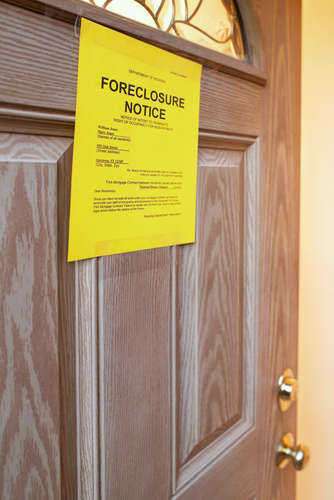
While most states specify a length of time between being served with a notice and beginning eviction proceedings, the eviction process in Missouri does not specify an exact amount of time for the notice if it is due to late payment of rent. Your landlord will tell you in the notice how long you have to pay before beginning eviction proceedings.
If the eviction is due to a breach of your lease agreement other than failure to pay rent, you will be given a 30 day notice that allows you to remedy the issue (for instance, by re-homing an unauthorized pet or cleaning up damage done to the unit).
Court Filings and Hearings
If you do not respond to the notice you are given, the eviction process in Missouri continues when your landlord goes to court to file a complaint at the district courthouse. This begins an eviction lawsuit. You will be served with a copy of both the complaint, which details why you are being evicted, and a summons, which tells you that you are summoned to court and gives you a hearing date.
You are not required to attend the hearing, but if you fail to appear, your landlord will win the case automatically and the eviction process in Missouri will continue. If you have been discriminated or retaliated against by your landlord, if your landlord failed to provide proper notice, or if your landlord has violated tenets of your lease, you may be able to win an eviction suit.
If you win your suit, you will not be evicted, the eviction process in Missouri will stop, and you may even be eligible to collect damages from your landlord. Talk to a lawyer experienced with the eviction process in Missouri to better understand your rights and legal options.
Writ of Restitution/Notice to Vacate
If your landlord wins at the hearing, you will have ten days to appeal the court's ruling. If you prefer not to appeal, you can use this ten day time period to vacate the premises before any further action is taken.
If you do not file an appeal, or if you lose your appeal, after 10 days the landlord can apply to the court for a sheriff removal. Sheriff removal is the final step of the eviction process in Missouri, and allows the sheriff to come into your home (even if he must break in) and remove you forcibly.