Buying Foreclosed Home
📅 2026 Update: Recent Changes in U.S. Foreclosure Law
Since the earlier article was written, many important aspects of U.S. foreclosure law have seen changes. While specific details for 2024 to 2026 are not available, it remains essential to stay informed about foreclosure processes and resources. The original article continues further down the page.
🏠 What You Should Know About Foreclosure
Foreclosure laws can differ by state. It is crucial to check your state's specific rules. States may have different timelines and processes for foreclosure.
Understanding these can help homeowners avoid pitfalls.
- 🕒 Processing Times: The time it takes to process a foreclosure can vary widely. Some states may have quicker timelines, while others may have longer ones. This can affect how quickly a homeowner needs to act.
🛡️ Rights of Homeowners
Homeowners have certain rights during the foreclosure process. These rights can include the ability to contest the foreclosure in court. Knowing these rights is important for anyone facing foreclosure.
- ⚖️ Legal Help: Homeowners can seek assistance from legal aid organizations. They can provide information on rights and possible defenses against foreclosure.
📄 Loan Modifications and Assistance
Loan modifications remain a viable option for many homeowners. These changes can help make payments more affordable. Homeowners should explore their eligibility for such modifications.
- 💰 Financial Assistance: Various programs can help those at risk of foreclosure. These programs may offer financial support or advice regarding loan modifications.
🚪 Alternatives to Foreclosure
There are alternatives to foreclosure, such as short sales. In a short sale, the lender agrees to accept less than what is owed on the mortgage. This option can be beneficial for all parties involved.
- 🔄 Short Sales: Homeowners should consider if a short sale is right for them. It may help them avoid the damaging effects of foreclosure on their credit.
📌 Key Takeaways
- 🏠 Understanding state-specific foreclosure laws is crucial.
- 🛡️ Homeowners have rights and can contest foreclosure.
- 📄 Loan modifications can make payments more manageable.
- 🚪 Short sales may be a viable alternative to foreclosure.
- 🔄 Financial assistance options are available for those in need.
💡 Tips for Navigating Foreclosure
It's important to discuss your unique situation in detail with an attorney.
📝 Stay Informed About Your Rights
Knowing your rights can empower you during the foreclosure process. Each state has specific laws that protect homeowners. Research these to understand your options better.
📞 Reach Out for Help
Don’t hesitate to contact local housing counseling agencies. They can provide guidance tailored to your situation. Many offer free or low-cost services to assist homeowners.
🕰️ Act Quickly
Time is critical when dealing with foreclosure. The sooner you act, the better your chances of finding solutions. Delaying can limit your options and increase stress.
💬 Communicate with Your Lender
Open lines of communication with your lender can be helpful. Discuss your situation and explore possible solutions together. They may offer options like loan modifications or payment plans.
🔍 Explore All Options
Consider all available options, including loan modifications and short sales. Each choice has its benefits and risks. Weigh these carefully to make an informed decision.
📊 Keep Records
Document every interaction with lenders and housing agencies. Keeping detailed records can be invaluable if disputes arise later. This helps ensure that all agreements are honored.
🏆 Free Options Ranked by User Reviews (2026)
No national paid service in this area met the review threshold. This section lists free government and nonprofit resources that can help with foreclosure issues.
🥇 1. U.S. Department of Housing and Urban Development (HUD)
HUD provides valuable resources for homeowners facing foreclosure. They offer information about the foreclosure process and programs that can assist homeowners. Their website is a useful starting point for understanding your options.
🥈 2. Legal Aid Organizations
Legal aid organizations can help individuals facing foreclosure. They offer services such as legal advice and representation at no or low cost. Their goal is to ensure that everyone has access to legal resources, regardless of income.
🥉 3. State Housing Authorities
Each state has a housing authority that provides resources for homeowners. These organizations can offer guidance on state-specific laws and potential assistance programs. They help connect homeowners with local resources designed to prevent foreclosure.
4️⃣ Nonprofit Housing Counseling Agencies
Nonprofit housing counseling agencies offer free or low-cost services. They provide education on foreclosure prevention and assistance with loan modifications. Their trained staff can help navigate the complex options available to homeowners.
🔎 What to Check Before Paying for Help
- 🏦 Verify Credentials: Ensure the organization is legitimate and recognized.
- 🆓 Explore Free Options First: Look for free resources before considering paid services.
- 📜 Read Reviews: Check user reviews to gauge the effectiveness of the service.
- 📅 Understand Fees: If there are costs, make sure you understand them before proceeding.
❓ Frequently Asked Questions
💡 What should I do if I receive a foreclosure notice?
Receiving a foreclosure notice means you should act quickly. Review the notice carefully and contact a housing counselor or legal aid for assistance.
🏡 Can I still sell my home if it is in foreclosure?
Yes, you can sell your home during foreclosure. However, it is essential to communicate with your lender and understand the process involved.
🤔 What happens during a foreclosure auction?
During a foreclosure auction, the property is sold to the highest bidder. If the home does not sell, it may revert to the lender.
📞 How can I prevent foreclosure?
You can prevent foreclosure by exploring options like loan modifications, repayment plans, or seeking assistance from housing counselors. Acting early is key.
🏢 Can I get help with my mortgage payments?
Yes, various programs may offer assistance with mortgage payments. Research local and federal programs that provide financial aid.
📝 What is a deed in lieu of foreclosure?
A deed in lieu of foreclosure allows a homeowner to transfer the property to the lender to avoid foreclosure. This can be a less damaging option for your credit.
⚖️ Recent Cases in Foreclosure Law
Recent court rulings have clarified certain aspects of foreclosure law, making it essential to understand these changes.
- Hawaii Supreme Court rejects appeal in homeowners caseHawaii Supreme Court · October 19, 2026
- Hawaii court upholds foreclosure ruling against EalasHawaii Intermediate Court of Appeals · May 21, 2026
- Hawaii court rules on foreclosure surplus funds distributionHawaii Intermediate Court of Appeals · May 22, 2026
- Hawaii court rules on foreclosure surplus distribution caseHawaii Intermediate Court of Appeals · May 22, 2026
For more information, browse recent rulings in the news section more rulings on the news page.
End of October 2026 Update
Your Guide to Buying a Foreclosed Home
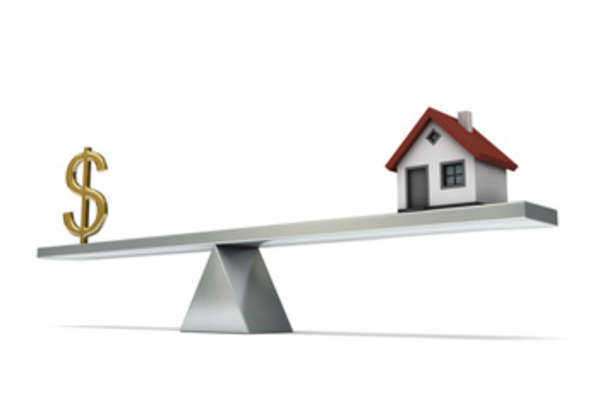
You have probably seen advertisements that tell you about bargains on foreclosed properties. If you are in the market for a home, you may want to know how to go about buying a foreclosed home. This guide will help you to understand the basics of why foreclosed homes can be bargains and give you some basic resources and knowledge about finding foreclosed homes to buy.
What Foreclosure Means For Lenders
The bad real estate market caused by the housing bubble bursting has left mortgage lenders with many homes that people could not make payments on. After payments stop for a certain length of time, foreclosure and eviction proceedings begin. Once a house has been foreclosed on, lenders want to get rid of it as fast as possible so that they can make some money on the property.
When you are buying a foreclosed home, you need to keep in mind that the longer a lender has had a foreclosed property on the market, the better a bargain you may be able to get. You can sometimes find homes with a discount of more than 30 percent. However, buying a foreclosed home is likely to require substantially more paperwork than a normal home because of the extra legal steps involved for the lender.
Finding a Foreclosed Home
Many websites list foreclosed homes, but if you are interested in buying a foreclosed home, you may not be able to find current listings on those websites. Some websites, like Zillow, allow map-based searching of foreclosed properties that are kept current, but others don't delete listings that have already sold.
Banks and mortgage lenders often have a list of foreclosed properties that you can find by searching their websites. For low-tech assistance in buying a foreclosed home, check your local newspaper—foreclosure auctions may be advertised there.
Financing a Foreclosed Home
Lenders have an incentive to finance you and get you into a foreclosed home as quickly as possible o avoid losing more money on a home. When you are buying a foreclosed home owned by the bank, securing financing may be easier than you think. You may be able to use equity in an existing house to finance a down payment, or you may pay a down payment of 5-10%.
Buying a foreclosed home and securing financing from a lender may be easier if you hire a real estate attorney to examine documents and advise you.
Inspecting a Foreclosed Home
One disadvantage of buying a foreclosed home is that some foreclosed houses have extensive damage to the property. The previous owner may have trashed the house before leaving, and some damage may not be readily apparent on a brief tour. Hiring a home inspector to inspect a foreclosed home before you buy may be one of the best investments you ever make. The peace of mind from having a home inspection can help you to know that your decision to buy a foreclosed home was a good one.