Foreclosure Process in Georgia
📅 2026 Update: Recent Changes in Georgia's Foreclosure Process
Since the original article was published, there have been no specific updates to Georgia's foreclosure laws or processes from official sources between 2024 and 2026. However, it's essential to understand that the landscape of foreclosure can change based on broader economic factors and state-specific guidelines. You can find the original article further down this page for foundational knowledge on the foreclosure process.
🏠 New Developments in Foreclosure Processes
Changes in the economic environment can impact how foreclosures are handled. Homeowners facing financial difficulties should regularly check for any updates in state laws or local housing authority changes.
- 💡 Stay Informed: Many homeowners may not realize that foreclosure processes can vary significantly by state. Regularly reviewing state and local government resources can ensure you are up-to-date.
📜 Notices and Timelines
Notices are critical in the foreclosure process. Georgia requires lenders to send a notice of default before proceeding with foreclosure.
- 📅 Timely Notices: Homeowners must receive this notice at least 30 days before the foreclosure sale. Understanding these timelines can help homeowners respond appropriately.
🔑 Options to Avoid Foreclosure
While the article outlines various ways to avoid foreclosure, new resources may become available. Homeowners are encouraged to seek assistance.
- 🆘 Available Assistance: Local housing counseling agencies can provide free guidance on options like loan modifications and short sales. These organizations often help navigate complex situations.
📋 Eligibility Rules and Deadlines
Eligibility for assistance programs can change. It's essential to stay informed about current rules regarding loan modifications or state-specific programs.
- 🚪 Access to Aid: Many homeowners qualify for various assistance programs. Checking eligibility can sometimes lead to significant relief from financial burdens.
📞 Legal Resources
Legal aid organizations are vital for homeowners in distress. They offer services that can help navigate the foreclosure process effectively.
- ⚖️ Know Your Rights: Understanding your rights is crucial when facing foreclosure. Legal aid organizations can help enforce these rights and provide necessary support.
📌 Key Points to Remember
- 📢 Stay updated on changes in foreclosure laws.
- 🏠 Timely notices are essential for understanding your situation.
- 🆘 Seek help from housing counseling agencies.
- 🚪 Eligibility rules can change; check regularly.
- ⚖️ Legal resources are available to protect homeowner rights.
💡 Tips for Handling Foreclosure Situations
Reviewing your individual situation with an attorney will clarify your options. Understanding the legal landscape is crucial before making decisions.
🏡 Understand the Foreclosure Process
Knowing how the foreclosure process works is essential. Familiarize yourself with the steps involved, from the notice of default to the final sale. This knowledge helps you prepare for each stage.
📞 Contact Your Lender Early
If you're facing financial difficulties, reach out to your lender as soon as possible. Early communication can open doors to alternatives like forbearance or loan modifications.
🆘 Explore Government Resources
Take advantage of free resources offered by government agencies. They can provide essential information on your rights and available assistance programs.
📝 Keep Detailed Records
Maintain accurate records of all communications with your lender and any actions taken. This documentation can be vital if disputes arise during the foreclosure process.
🚪 Know Your Rights
Familiarize yourself with your rights as a homeowner in Georgia. Understanding these rights can empower you to take action and seek help when needed.
🏆 Free Options Ranked by User Reviews (2026)
No national paid services reached the review threshold for this topic. Instead, this section lists free government and nonprofit resources available to help homeowners facing foreclosure.
🥇 1. U.S. Department of Housing and Urban Development (HUD)
HUD offers various resources to help homeowners understand the foreclosure process. Their website provides information on government programs, housing counseling, and legal resources. These services are designed for anyone facing potential foreclosure or seeking assistance.
🥈 2. Georgia Department of Community Affairs (DCA)
The DCA provides information on state-specific foreclosure laws and available resources. Homeowners can find details about assistance programs and housing counseling services. This agency helps residents navigate financial challenges related to housing.
🥉 3. National Foundation for Credit Counseling (NFCC)
The NFCC offers free counseling services to help homeowners manage their finances. They provide resources for budgeting, debt management, and foreclosure prevention. Their services are designed to assist individuals in understanding their options for avoiding foreclosure.
4️⃣ Local Housing Counseling Agencies
Many local agencies offer free assistance to homeowners in distress. These organizations can provide personalized guidance on loan modifications, short sales, and other options to avoid foreclosure. They help connect individuals to available resources based on their unique situations.
🔎 What to Check Before Paying for Help
- 💵 Verify if the service is free or requires payment.
- 📄 Check for reviews and ratings from other users.
- 🔍 Ensure the organization is reputable and accredited.
- 📞 Confirm the availability of personalized assistance.
❓ Frequently Asked Questions
🤔 What is the foreclosure process in Georgia?
The foreclosure process in Georgia involves a notice of default, followed by a public auction if the homeowner does not resolve the issue. Homeowners typically have a minimum of 30 days after the default notice to take action.
🏠 Can I stop a foreclosure after it has started?
Yes, homeowners may still have options to stop foreclosure. This can include negotiating with the lender or seeking legal advice on filing for bankruptcy to halt the process temporarily.
📅 How long does the foreclosure process take?
The timeline for foreclosure can vary but usually takes around three months to complete once the default notice is issued. However, this can be longer if the homeowner takes action to contest it.
📞 What should I do if I receive a notice of default?
If you receive a notice of default, it's essential to contact your lender immediately. You may have options to negotiate a loan modification or other solutions to avoid foreclosure.
🏛️ What are my rights as a homeowner facing foreclosure?
Homeowners have the right to receive proper notice and the chance to contest the foreclosure. Understanding these rights helps protect against wrongful foreclosure practices.
💡 Are there any government programs to help with foreclosure?
Yes, there are several government programs available to assist homeowners in distress. These programs may include loan modifications, counseling services, and financial assistance options.
⚖️ Recent Court Cases Related to Foreclosure
Recent court rulings can impact how foreclosure processes are handled in Georgia. Understanding these cases can provide insight into evolving legal standards and homeowner rights.
- Court rules in favor of homeowner in Deutsche Bank caseDistrict Court of Appeal of Florida · March 12, 2021
- Court reverses foreclosure judgment in Nutter v. Cosby caseDistrict Court of Appeal of Florida · March 31, 2021
- Court rules in favor of Wells Fargo in foreclosure caseDistrict Court of Appeal of Florida · June 16, 2021
- Florida court reverses foreclosure ruling in bankruptcy caseDistrict Court of Appeal of Florida · August 4, 2021
For more information, browse more rulings on the news page.
End of October 2026 Update
Guide to the Foreclosure Process in Georgia
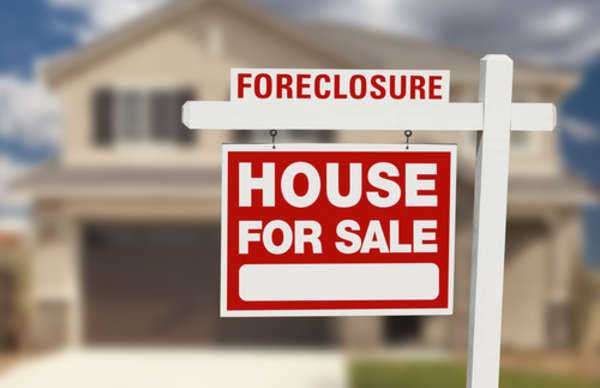
Georgia homeowners have been severely impacted by the recession and housing bubble collapse. If you are a Georgia homeowner who has fallen behind on mortgage payments, you may be wondering what the foreclosure process in Georgia looks like and how long it takes. This guide can help you to understand the foreclosure process in Georgia and will explain how to avoid foreclosure entirely or at least delay it so you can have a good chance of making an arrangement with your lender.
Step 1: Missing Payments
Before the eviction process begins in Georgia, you will have to miss a mortgage payment—and usually more than one. Most lenders won't begin foreclosure proceedings as quickly as they're allowed to, for the simple reason that lenders make much more money on your mortgage than on your foreclosed house.
For this reason, the best way to avoid the foreclosure process in Georgia at this early stage is simply to talk to your mortgage lender. Most lenders are willing to work out payment plans with borrowers who have fallen on hard times, or even lower the monthly payment if you are making less money than you used to.
While you may be tempted to ignore your lender's requests for payment, especially if you have no way to pay immediately, this is the worst thing you can do. Lenders are much more willing to delay the foreclosure process in Georgia if you are actively working on developing a foreclosure avoidance plan.
Step 2: The Demand Letter
The foreclosure process in Georgia begins when you are sent notice from your lender that you have been late in payments and will have 10 days to pay all late amounts or face eviction proceedings. This demand letter is necessary for a legal foreclosure in the state of Georgia, whether it is handled through the judicial system (which is uncommon) or as a non-judicial foreclosure.
This is your last chance to contact your lender before foreclosure proceedings begin. Talking to your lender now may still mean you can keep your home and save your credit score.
Step 3: Notice of Sale
After 10 days, your lender will start publishing a notice of sale in the local newspaper in the county where you reside. The notice will be published for four consecutive weeks, and will also be sent to you via certified mail. The foreclosure process in Georgia requires that this notice be given, so that you have a final chance to pay off the entire mortgage amount (usually by selling your home or using a deed-in-lieu of foreclosure).
Step 4: The Sale
If you do not pay your mortgage in full by the time the notice of sale has been published for four weeks, your house will be auctioned off on the courthouse steps to the highest bidder. This is the final step in the foreclosure process in Georgia and results in you having your home taken and your credit destroyed for years to come. Avoiding foreclosure by talking to a lawyer or lender before it's too late can stop the foreclosure process in Georgia in its tracks.