Foreclosure Process in Florida
📅 2026 Update: Changes in Florida's Foreclosure Process
Since the original article was written, there have been no significant changes in the foreclosure process in Florida. Details about fees, forms, and processing times are still influenced by local laws and individual circumstances. For the latest information, the original article continues further down this page.
📜 Recent Insights on Foreclosure Procedures
The process for handling foreclosures remains largely the same. Homeowners still face similar timelines and notices. However, it is essential to stay updated as state laws can evolve.
- 🔔 Notice of Default: Homeowners still receive a Notice of Default before formal proceedings begin. This notice serves as a warning and allows for a chance to resolve the issue.
🛠️ Resources for Avoiding Foreclosure
Avoiding foreclosure is crucial. While options like loan modifications and short sales remain, homeowners need to act quickly.
- 💬 Loan Modifications: Many lenders offer loan modifications to help homeowners manage payments. It can change the loan terms to make them more affordable.
🏠 Homeowner Rights
Homeowners continue to have rights during the foreclosure process. Understanding these rights is key to protecting oneself.
- ⚖️ Right to Redemption: Homeowners in Florida have the right to redeem their property. This means they can pay off the mortgage and reclaim their home before the sale.
📑 Importance of Legal Assistance
While no specific changes have occurred in legal assistance options, seeking help is still vital.
- 📞 Contact Legal Aid: There are several legal aid organizations that provide free or low-cost assistance to homeowners facing foreclosure. They can guide homeowners through the complex process.
📌 Key Points Summary
- 📅 Foreclosure process remains similar with no recent major changes.
- 🔔 Notice of Default alerts homeowners of impending action.
- 🛠️ Loan modifications can help make payments manageable.
- 🏠 Homeowners retain rights during foreclosure proceedings.
- 📞 Seeking legal assistance is crucial for navigating the process.
💡 Helpful Tips for Homeowners Facing Foreclosure
Review your situation with an attorney to understand your options better. Each case is unique and needs specific attention.
🔍 Understand Your Financial Situation
Assess your finances to see how much you can afford. This understanding can help when negotiating with lenders or considering alternatives.
📝 Keep Communication Open
Stay in touch with your lender. Open lines of communication can lead to better options like modifications or repayment plans.
⏳ Know the Timeline
Understanding the foreclosure timeline in Florida helps you plan. The process can take several months, and knowing this can help you act timely.
📄 Explore Government Programs
Look into government programs designed to assist struggling homeowners. These options may provide financial help or counseling services.
💡 Research Alternatives
Consider alternatives to foreclosure, such as short sales or deeds in lieu of foreclosure. These can often be less damaging to your credit.
🏆 Free Options Ranked by User Reviews (2026)
Currently, no national paid service in this area has met the review threshold. Instead, here is a list of free government and nonprofit resources available for homeowners facing foreclosure.
🥇 1. U.S. Department of Housing and Urban Development (HUD)
HUD offers resources for homeowners at risk of foreclosure. They provide information on loan modifications and other assistance programs that can help.
🥈 2. Florida Housing Finance Corporation
This state agency helps residents with mortgage payments and offers various assistance programs. Homeowners can find local resources specific to their needs.
🥉 3. Local Legal Aid Organizations
These organizations provide free legal services to low-income individuals facing foreclosure. They can offer advice and representation in court if necessary.
4️⃣ National Foundation for Credit Counseling (NFCC)
The NFCC offers credit counseling and financial education. They can work with homeowners to develop a budget and explore options to avoid foreclosure.
5️⃣ State Housing Authorities
State housing authorities provide information on available resources and programs. They can guide homeowners to local assistance tailored to their specific situation.
🔎 Things to Check Before Paying for Help
- 📜 Verify the organization's credentials.
- 💵 Understand the fees involved.
- 📞 Read reviews from other users.
- ⚖️ Ensure the help provided is legitimate and not a scam.
❓ Frequently Asked Questions
❓ What happens after the Notice of Default?
After receiving a Notice of Default, homeowners typically have a period to catch up on payments. If not resolved, the lender can proceed with foreclosure.
👀 How long does the foreclosure process take in Florida?
The foreclosure process in Florida usually takes several months. This timeline can vary based on individual circumstances and court schedules.
🔄 Can I stop foreclosure after it has started?
Yes, homeowners can often stop foreclosure through options like loan modifications or filing for bankruptcy. These actions can provide temporary relief.
🔑 What should I do if I can't afford my mortgage?
If you can't afford your mortgage, explore options like loan modification, short sale, or contacting a housing counselor for assistance.
💡 Are there government programs to help with foreclosure?
Yes, there are government programs that assist homeowners at risk of foreclosure. These can include financial assistance or counseling services.
📊 How does foreclosure affect my credit score?
Foreclosure can significantly impact your credit score, potentially lowering it by 100 points or more. The effects can last for several years.
⚖️ Recent Court Cases Impacting Foreclosure
Recent court rulings continue to shape the foreclosure landscape in Florida, affecting how cases are handled. These rulings may influence homeowner rights and lender responsibilities.
- Florida court rules in favor of homeowner against insurerDistrict Court of Appeal of Florida · October 7, 2026
- Texas Court dismisses eviction appeal from Elizabeth WrightTexas Court of Appeals, 1st District (Houston) · October 9, 2026
- Court reverses dismissal of Wells Fargo mortgage foreclosure caseAppellate Division of the Supreme Court of the State of New York · October 7, 2026
- Court reverses foreclosure ruling in Deutsche Bank caseAppellate Division of the Supreme Court of the State of New York · October 7, 2026
Explore more recent rulings for further insights into how they may affect you: more rulings on the news page.
End of October 2026 Update
Guide to the Foreclosure Process in Florida
Many homeowners are underwater on their Florida mortgages, and many others are struggling to make payments on an unaffordable home loan. If you have fallen behind on payments, you may want to know more about the foreclosure process in Florida. Foreclosure can mean losing your house and destroying your credit, so avoiding foreclosure should be your biggest concern.
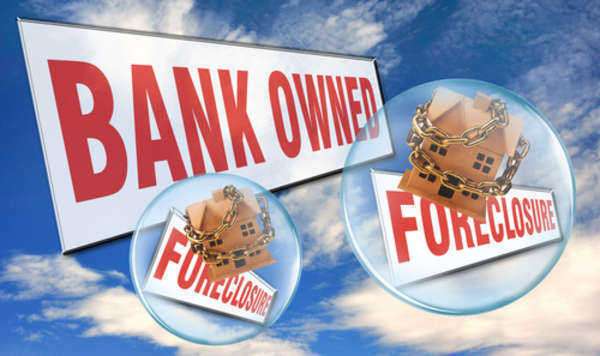
There is some good news for homeowners in Florida who are facing foreclosure: all foreclosures in the state must be handled in a court of law, which gives you additional time to fight the foreclosure process in Florida. This guide will help you to understand the entire process, from beginning to end, and provide you with options for stopping foreclosure or delaying it for as long as possible to give you more time to work out an agreement.
Step 1: Notice of Default
Once you have fallen behind on payments, if you and your lender have not talked to work out a payment plan, the foreclosure process in Florida begins when you are served with a “Notice of Default.” While your lender can send this notice after a month of missed payments, it is much more common for lenders to wait until you have fallen 3 months behind or more.
A Notice of Default tells you that you are in default and that legal proceedings are beginning as a result. If you receive a notice of default, you should contact your lender immediately to find out your options for halting the foreclosure process in Florida before legal paperwork is filed.
Step 2: The Lawsuit
If you do not respond to the notice of default, you will be subject to a lawsuit demanding full payment of the amount you owe for your mortgage. You will be served with a “Lis Pendens” that tells you that a lawsuit is pending in the state of Florida against you.
At this point, you will have 20 days to file an answer to the complaint. You are not obligated to file an answer, but doing so will delay the foreclosure process in Florida and give you more time to explore your options. If you file an answer, you will have a foreclosure hearing that will give you time to represent your side in front of a judge. If there has been mortgage or foreclosure fraud with your loan, you may be able to avoid the foreclosure process in Florida or delay it significantly.
Step 3: The Sale
If you lose at the hearing (or if you do not file an answer, which results in your mortgage lender winning the lawsuit automatically), you will be given 30-45 days before your property is sold to the highest bidder at auction.
There may still be time to pursue options for stopping the foreclosure process in Florida at this time, including refinancing your mortgage, selling your home as a “short sale,” or filing for Chapter 13 bankruptcy. A foreclosure lawyer can advise you as to your options for delaying or stopping the foreclosure process in Florida when you have received a notice of sale.
Even after your property is sold at auction, you have a right of redemption for 10 days. This allows you 10 additional days to pay off your mortgage to avoid foreclosure before you can be removed from your home.