How to Stop Foreclosure in Michigan
📅 2026 Update: Key Changes in Michigan Foreclosure Law
Since the original article was published, there have been no significant changes to Michigan's foreclosure laws between 2024 and 2026. This means that the processes and rights described in the earlier article remain intact. Readers can find the full details of these processes further down the page.
🏡 Recent Legislative Changes
There have been no new laws affecting foreclosure in Michigan from 2024 to 2026. This stability means that homeowners can rely on existing laws and procedures to navigate their situations.
📜 Foreclosure by Advertisement
Foreclosure by advertisement still requires lenders to publish a Notice of Sale once a week for four weeks in a local newspaper. This step is essential for homeowners to be aware of pending foreclosure actions against their properties.
- 🔍 Notice Posting: Lenders must also post the notice on the property at least 15 days after the first publication, ensuring transparency in the process.
⏳ Redemption Period
Homeowners continue to have a six-month redemption period after a foreclosure sale. During this time, they can reclaim their property by paying the amount bid at the sale along with interest and fees.
- 💰 Payment Details: This option allows homeowners a chance to recover their property, as long as they can meet the financial requirements set by the sale.
🏠 Tax Forfeiture and Foreclosure
Michigan's tax forfeiture and foreclosure process runs over three years. This begins with the return of unpaid taxes as delinquent and ends with a foreclosure judgment on March 30 of the third year.
- 📅 Timeline: Homeowners should note the importance of addressing tax issues promptly to avoid losing their property.
🆘 Free Help Available
Homeowners facing foreclosure can seek help from HUD-approved housing counselors. These counselors provide free guidance to assist homeowners in avoiding foreclosure and navigating their options.
- 🏢 MSHDA Assistance: The Michigan State Housing Development Authority (MSHDA) also offers resources and assistance programs for homeowners in distress.
📌 Key Points to Remember
- ⚖️ No significant changes to foreclosure laws from 2024 to 2026.
- 📰 Lenders must publish a Notice of Sale in local newspapers.
- ⏳ Homeowners have a six-month redemption period after foreclosure.
- 📅 Tax foreclosure processes span three years.
- 🏠 Free help is available through HUD-approved counselors and MSHDA.
💡 Tips for Homeowners Facing Foreclosure
Review the details of your situation with your attorney to understand your options and rights.
📝 Understand Your Rights
Homeowners should be aware of their rights during the foreclosure process. Knowing what protections are available can help in making informed decisions.
📞 Contact Housing Counselors
Reach out to HUD-approved housing counselors for assistance. These professionals can help you understand your options and develop a plan to avoid foreclosure.
🏦 Explore Loan Modification Options
Consider applying for a loan modification. Options include refinancing, reinstatement, and repayment plans that may lower your monthly payments.
⏰ Act Quickly
Time is critical when dealing with foreclosure. Don’t wait until the last minute to seek help or explore your options.
💸 Look into Financial Assistance
Investigate programs like the Hardest Hit Fund. This program provides financial assistance to homeowners facing hardship to prevent foreclosure.
👀 Stay Alert for Scams
Be cautious of foreclosure rescue scams. Avoid any service that demands upfront fees or makes false promises about preventing foreclosure.
🏆 Free Options Ranked by User Reviews (2026)
No national paid service in this area met the review threshold, so this section lists free government and nonprofit resources available for homeowners facing foreclosure.
🥇 1. HUD-Approved Housing Counselors
These counselors provide free assistance to homeowners in distress. They can help you understand your rights and options to avoid foreclosure.
- 📞 Personalized Guidance: Counselors can offer tailored advice based on your specific situation, making it easier to navigate the foreclosure process.
🥈 2. Michigan State Housing Development Authority (MSHDA)
MSHDA offers various programs and resources for homeowners at risk of foreclosure. They provide information on financial assistance and housing counseling.
- 🏠 Support Programs: MSHDA has programs designed to help homeowners keep their homes, including funding for repairs and other assistance.
🥉 3. Hardest Hit Fund
This federal program aims to assist homeowners facing financial hardship. It is administered by the Michigan Homeowner Assistance Nonprofit Housing Corporation.
- 💵 Financial Aid: Homeowners may qualify for aid to help with mortgage payments and other related costs, preventing foreclosure.
🔍 What to Check Before Paying for Help
- 🔒 Ensure the service is legitimate and not a scam.
- 📃 Verify if they are HUD-approved or affiliated with recognized organizations.
- 💲 Compare free resources before considering paid options.
- 🔍 Read reviews or testimonials from other users.
- 📅 Understand all fees and services included before committing.
❓ Frequently Asked Questions
❓ What is the foreclosure process in Michigan?
The foreclosure process in Michigan typically involves lenders publishing a Notice of Sale and allowing a six-month redemption period for homeowners.
🔍 How can I avoid foreclosure?
Homeowners can avoid foreclosure by seeking assistance from housing counselors, exploring loan modifications, and considering financial aid programs.
📅 What happens during the redemption period?
During the six-month redemption period, homeowners can reclaim their property by paying the amount bid at the sheriff’s sale along with applicable interest and fees.
⚠️ What are the risks of tax foreclosure?
Tax foreclosure can lead to the loss of a home if unpaid taxes are not addressed. The process spans three years, so timely action is crucial.
🏡 Are there protections for servicemembers?
Yes, active duty servicemembers are protected from foreclosure during their service and for up to six months after their active duty ends.
📞 Where can I find help?
Homeowners can contact HUD-approved housing counselors or the Michigan State Housing Development Authority for free assistance and resources.
⚖️ Recent Cases Related to Foreclosure
Recent court rulings may affect how foreclosure processes are handled in Michigan. These rulings offer insights into homeowner rights and lender responsibilities.
- Court reverses Madeira Beach foreclosure judgment against OvertureDistrict Court of Appeal of Florida · February 15, 2023
- Florida Court upholds City of Largo's foreclosure judgmentDistrict Court of Appeal of Florida · November 3, 2023
- Florida court rules in favor of homeowners in insurance caseDistrict Court of Appeal of Florida · April 3, 2024
- Court rules on Deutsche Bank foreclosure case in Suffolk CountyNew York Supreme Court, Suffolk County · July 17, 2026
For more recent rulings, check more rulings on the news page.
End of October 2026 Update
How to Stop Foreclosure in Michigan
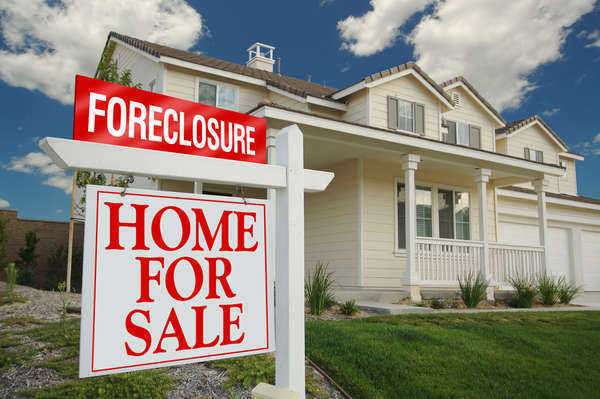
Michigan has been hit particularly hard by the recent economic crisis. Learning how to stop foreclosure in Michigan does not need to be difficult, but it is important that you seek out information before it is too late. Many resources exist to help Michigan homeowners to stop foreclosure. Homeowners in Michigan can sometimes avoid foreclosure and eviction even after a sheriff's sale of their property, so understanding how to stop foreclosure in Michigan can help you even at a very late stage in the foreclosure process.
Before Notice is Published
Most lenders will not foreclose on a borrower until several consecutive payments have been missed. Although Michigan foreclosure laws technically allow a lender to begin the foreclosure process after only one missed payment, most lenders will simply charge a late fee.
One important thing to remember when learning how to stop foreclosure in Michigan is this: there is already a glut of abandoned and foreclosed-upon houses in the state. Your lender has no desire for yours to become yet another of them. This means that one of the best resources for finding out how to stop foreclosure in Michigan is your own mortgage lender.
Many people are afraid to call their mortgage lender when they are behind on payments. They assume they will be berated or shamed. Instead, your mortgage lender will probably try to work something out. If you can't find room in your budget for your current payments, the mortgage may be rewritten to give you lower payments. If you have suffered a temporary financial setback, a “forbearance” may push some payments back so you can get back on track. Payment plans can be made to take care of late bills. Only your lender can do this, so call as soon as possible to see what they can do to help you avoid foreclosure.
After Notice is Published
In order to foreclose upon you, your lender will begin publishing a notice of sale for four consecutive weeks. The notice will also be posted on your property. Your lender, depending on the terms of your loan, may not even have to give you notice before this that the property is being foreclosed upon. If a sheriff's sale is coming up, you have a limited amount of time to act before it is completed.
Call your mortgage lender and, if possible, a Michigan foreclosure or bankruptcy attorney. They can tell you how to stop foreclosure in Michigan before the sale, including a short sale of your house or even declaring Chapter 13 bankruptcy. Both of these things will have negative effects on your credit, but a short sale will be a much smaller negative mark on your credit score than foreclosure, and Chapter 13 may allow you to keep your home.
After the Sheriff's Sale
You may be surprised to learn how to stop foreclosure in Michigan even after the sheriff's sale. You will have several months (up to 12) to “redeem” your property, which means to pay off your mortgage in full. This means that you may still be able to complete a sale or refinancing of your property during this time. Talk to a foreclosure lawyer for more information about your options after a sheriff's sale.