Eviction Process in Maine
📅 2026 Update: Changes in Maine's Eviction Process and Foreclosure Law
Since the original article was written, there have been no new updates regarding the specific details of foreclosure laws in Maine. It's essential to note that information may evolve, so it's good practice to consult reliable sources for the most current details. You can continue reading the earlier article further down this page for foundational knowledge on the eviction process.
🏠 What to Know About Foreclosure Changes
Foreclosure laws can shift, but specific changes from 2024 to 2026 were not found. Homeowners should keep an eye on their state's regulations, as these can affect their rights during the foreclosure process.
- 🔍 Stay Informed: Regularly check your state's official government website for updates on foreclosure laws and procedures.
📞 Seeking Help with Foreclosure
Access to resources remains crucial for homeowners facing foreclosure. Many people may not know that assistance is available.
- 💬 Local Resources: Look for local housing counseling agencies that can provide information tailored to your situation.
📅 Timelines and Notices
Though no new timelines or notice requirements were found, understanding previous timelines is essential.
- ⏳ Be Aware of Deadlines: Always be mindful of deadlines related to foreclosure notices. Missing a deadline can limit your options.
🛡️ Know Your Rights
Homeowners must know their rights during foreclosure. While no new laws have emerged, existing rights still apply.
- ⚖️ Understand Foreclosure Rights: Familiarize yourself with the rights you have as a homeowner facing foreclosure. This knowledge can empower you in negotiations.
📌 Key Points to Remember
- 🏡 Homeowners should stay informed about foreclosure changes.
- 📞 Local housing counseling can provide guidance.
- ⏳ Timelines and notices are critical to follow.
- ⚖️ Know your rights during the foreclosure process.
- 🔍 Regularly check official sources for updates.
💡 Tips for Navigating the Eviction Process
Review the details of your situation carefully with your attorney. Understanding your unique circumstances can be vital in navigating the eviction process.
📚 Understand the Eviction Process
Knowing the eviction process in Maine can help you prepare for what lies ahead.
- 🏛️ Familiarize Yourself: Learn how the process works, from notices to court hearings. This understanding can reduce anxiety.
🗂️ Gather Important Documents
Having all necessary documents ready can simplify your case.
- 📝 Collect Records: This includes rental agreements, payment history, and any correspondence with your landlord. These documents can strengthen your position.
🤝 Communicate with Your Landlord
Open communication can sometimes lead to a resolution outside of court.
- 💬 Talk It Out: If possible, discuss your situation with your landlord. They may be willing to negotiate terms to avoid eviction.
📅 Know Your Rights
Understanding your rights as a tenant is crucial in an eviction scenario.
- ⚖️ Research Tenant Rights: Familiarize yourself with state laws regarding eviction processes and tenant rights. This knowledge can be powerful.
📞 Seek Local Resources
Local support can provide invaluable assistance during this difficult time.
- 🏠 Reach Out for Help: Contact local housing agencies or nonprofit organizations for guidance on navigating your situation.
💼 Explore Financial Assistance
If you're struggling to pay rent, financial help may be available.
- 💰 Investigate Options: Look into local programs that assist with rent payments or offer legal support for tenants facing eviction.
🏆 Free Options Ranked by User Reviews (2026)
No national paid services meet the review requirements for this topic. Instead, this section highlights free government and nonprofit resources that can assist you with eviction and foreclosure issues.
🥇 1. U.S. Department of Housing and Urban Development (HUD)
HUD offers a wealth of information regarding housing rights and foreclosure processes. They provide resources for individuals facing eviction, including guidance on legal rights and options available to homeowners.
- 🏠 Who It Helps: HUD's resources are helpful for both renters and homeowners looking for assistance in navigating their rights and options.
🥈 2. Local Housing Counseling Agencies
Many local agencies offer free counseling services to help individuals understand their housing situations. These agencies can guide you through the foreclosure process or assist with eviction issues.
- 🏢 Who It Helps: Anyone facing housing challenges, including eviction and foreclosure, can benefit from their services.
🥉 3. State Housing Authorities
Each state has its own housing authority that provides resources related to housing laws and tenant rights. These authorities often have information on foreclosure assistance and eviction processes.
- 🏛️ Who It Helps: Homeowners and tenants in need of state-specific guidance regarding eviction or foreclosure laws.
4️⃣ Community Nonprofit Organizations
Various nonprofits focus on housing issues, providing support for those at risk of eviction or foreclosure. They often offer legal aid and financial assistance programs.
- 🤝 Who It Helps: Individuals and families facing housing insecurity can find support through these organizations.
5️⃣ Legal Aid Organizations
Legal aid groups provide free legal advice and assistance to low-income individuals dealing with eviction or foreclosure. They can help you understand your rights and may represent you in court.
- ⚖️ Who It Helps: People who cannot afford an attorney and need legal guidance regarding housing issues.
🔎 What to Check Before Paying for Help
- 🏢 Verify credentials of any organization.
- 📜 Understand the services they offer.
- 💰 Inquire about any fees upfront.
- 📞 Seek reviews from others who used their services.
❓ Frequently Asked Questions
❓ What is the eviction process in Maine?
The eviction process in Maine involves several steps, including a notice to quit, filing in court, and possibly a court hearing. Understanding each step can help tenants prepare.
📅 How long does the eviction process take?
The length of the eviction process can vary. Typically, it may take several weeks to a few months, depending on the circumstances and court schedules.
📜 What happens if I can't pay my rent?
If you cannot pay your rent, your landlord may begin eviction proceedings. It's important to communicate with your landlord and explore options for financial assistance.
🏡 Can I fight an eviction?
Yes, tenants have the right to contest an eviction in court. This may involve providing evidence that supports your case or demonstrating a valid reason for non-payment.
🤔 What are my rights as a tenant in Maine?
Tenants in Maine have specific rights, including the right to receive proper notice before eviction and the right to a fair hearing if an eviction is pursued.
📞 Where can I find help with eviction issues?
Local housing counseling agencies, legal aid organizations, and state housing authorities are good resources for help with eviction issues in Maine.
⚖️ Recent Cases Related to Eviction and Foreclosure
Recent court rulings highlight the ongoing legal landscape surrounding eviction and foreclosure processes in Maine. Understanding these rulings can help homeowners and tenants navigate their rights and responsibilities.
- Court upholds foreclosure ruling against Finegan and HuffDistrict Court of Appeal of Florida · May 3, 2023
- Florida Court Rules in Favor of Homeowners AssociationDistrict Court of Appeal of Florida · May 12, 2023
- Florida court affirms ruling on homeowners' construction claimsDistrict Court of Appeal of Florida · May 10, 2023
- Florida court reverses dismissal of foreclosure caseDistrict Court of Appeal of Florida · June 16, 2023
For more information, you can browse more rulings on the news page.
End of October 2026 Update
If you are being evicted in the state of Maine, you may not know how to proceed. Learning about the eviction process in Maine can help you understand your rights and options under the law. After reading this guide, you will understand the steps involved in the eviction process in Maine and how long each step will take.
Getting Notice
Before your landlord can begin the eviction process in Maine courts, he or she must first give you notice and allow you to cure any breaches to the lease. You will be given a seven-day written notice that specifies the reason that you are being evicted along with any steps that you may take in order to reinstate your tenancy.
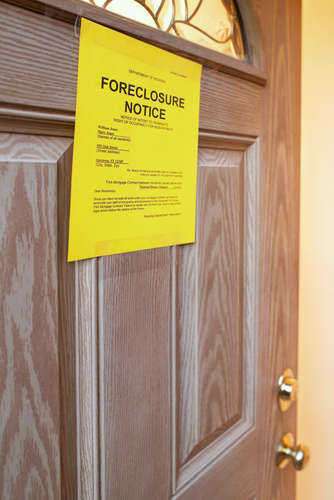
If your landlord is beginning the eviction process in Maine because you are behind on rent, you will be asked to pay the full amount of past-due rent within the seven day period to avoid going to court. If you have breached part of your lease (for instance, by keeping an unauthorized pet), your landlord may offer you a cure for the breach (like re-homing the pet or paying a non-refundable pet deposit), but is not required to.
At this stage in eviction proceedings, no court is yet involved. You have a better chance of working out a payment plan or arrangement with your landlord if you consult with them before court papers are filed.
Court Filings and Hearings
If you have not ended your tenancy or fixed the problem that led to the eviction notice within seven days, your landlord can continue the eviction process in Maine courts. Eviction lawsuits begin when your landlord files a complaint and summons with your local courthouse for a “forcible entry and detainer” action.
You will be served with a copy of the complaint, which tells why your landlord is evicting you, and the summons, which will inform you as to the time and location of your court date. The court date is the next step in the eviction process in Maine, and it will be scheduled for at least 7 days after you are served with the papers. You are not required to be present in court, but if you are not, the judge will rule against you and for your landlord by default.
If you arrive in court, the judge will usually try to help you and your landlord negotiate an agreement. Only if no agreement can be arrived at will the judge schedule a hearing.
Writ of Possession
If you lose at the hearing, or don't appear in court, you will have seven days to vacate the property before your landlord can request a writ of possession. This writ tells you that you have 48 hours to leave or else you will be considered a trespasser.
If you fail to leave after being served with the writ of possession, you will be subject to forcible removal and arrest, and your property will be considered abandoned and may be kept or disposed of by your landlord. The eviction process in Maine gives many opportunities to vacate or cure the breach before forcible removal, but it is still an option if you refuse to move after being given appropriate notice.